
Choosing the right board for furniture or interior work can be tricky — especially when you’re deciding between WPC (Wood Plastic Composite) and HDHMR (High-Density High Moisture Resistance).
Both are modern alternatives to traditional plywood and MDF, but their properties, durability, and applications are quite different.
Let’s understand the complete difference between WPC vs HDHMR boards to help you pick the right material for your next project.
What is WPC Board?
WPC, short for Wood Plastic Composite, is made by blending wood fibers or wood dust with thermoplastic resins like PVC or PE and special chemical additives.
This combination gives it the look of wood and the strength of plastic.
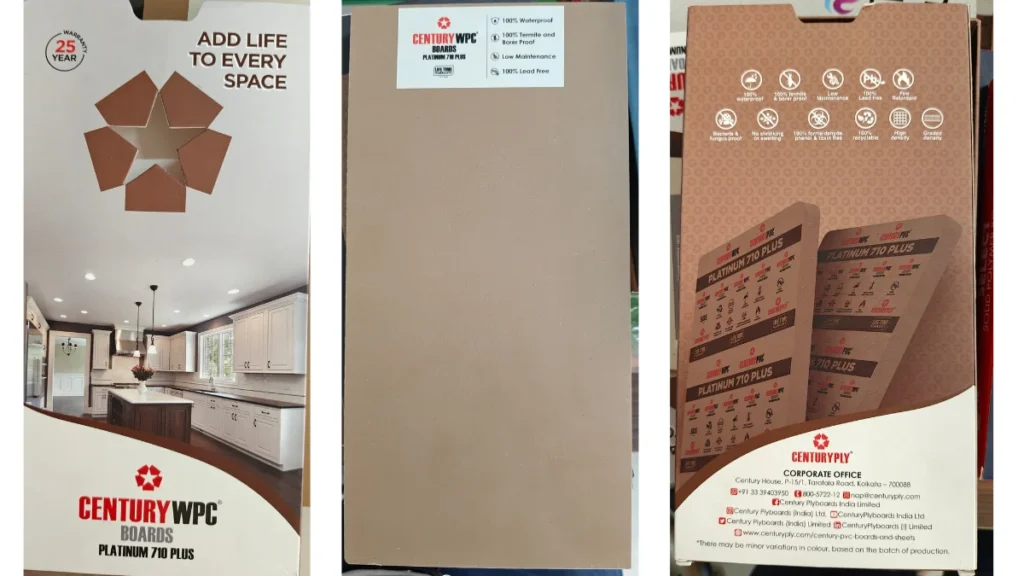
WPC boards are non-corrosive, termite-proof, waterproof, and weather-resistant, which makes them a great choice for both indoor and outdoor furniture.
Key Features of WPC:
- 100% waterproof and termite-proof
- Requires very little maintenance
- Suitable for outdoor applications like decking and fencing
- Can be painted, laminated, or polished
- Fire and corrosion resistant
What is HDHMR Board?
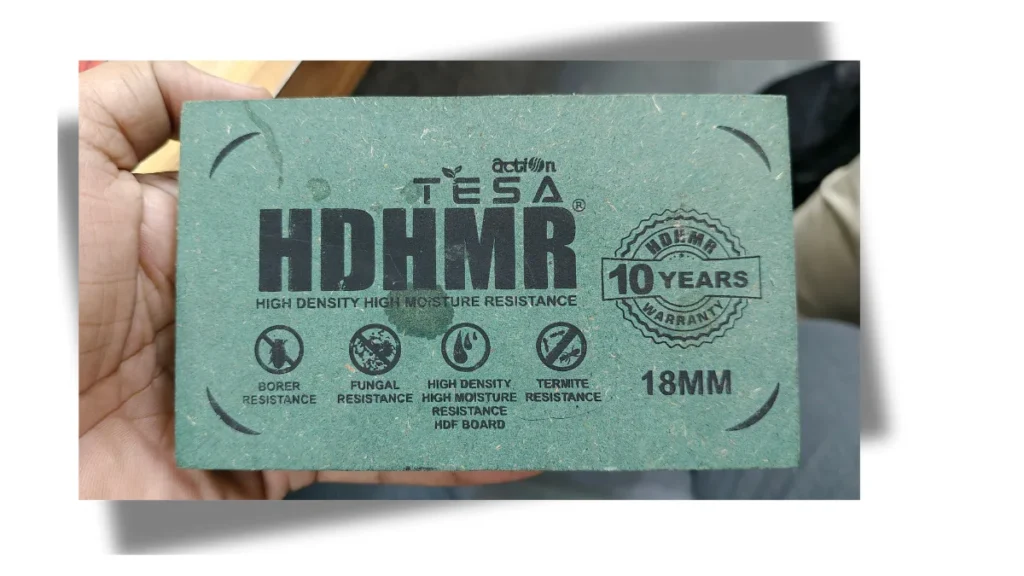
HDHMR stands for High-Density High Moisture Resistance board. It’s an advanced form of MDF (Medium Density Fibreboard) created under high pressure and temperature, making it stronger and more moisture-resistant than standard MDF or HDF boards.
HDHMR uses hardwood fibers and special resins to provide better density and strength. It’s ideal for interior applications such as kitchen cabinets, wardrobes, and bathroom vanities.
Key Features of HDHMR:
- Denser and stronger than MDF or HDF
- High moisture resistance (but not 100% waterproof)
- Smooth surface for painting and lamination
- Excellent screw-holding capacity
- Ideal for interior furniture and wall panels
WPC vs HDHMR: Quick Comparison Table
| Feature | WPC Board | HDHMR Board |
| Material Composition | Wood fibers + Plastic polymers + Additives | Hardwood fibers + Moisture resistant resin |
| Water Resistance | 100% waterproof | High moisture resistance, but not waterproof |
| Termite Resistance | Completely termite-proof | Moderately termite-resistant |
| Strength & Durability | Good overall strength; long life | Very strong and dense; excellent load-bearing |
| Surface Finish | Textured surface; can be laminated or painted | Smooth surface; ideal for laminates or paint |
| Best For | Outdoor furniture, bathrooms, balcony, garden use | Kitchen cabinets, wardrobes, home interiors |
| Cost | Very high than HDHMR; depends on quality | Always more affordable than WPC |
| Maintenance | Low maintenance | Needs occasional maintenance in wet areas |
| Variety | Available as plain board | Available in Plain and Pre-laminated as well |
Detailed Comparison
1. Moisture & Water Resistance
WPC is completely waterproof, making it perfect for areas like bathrooms, balconies, or outdoor installations.
HDHMR, on the other hand, is highly moisture-resistant but not entirely waterproof. It performs well in humid indoor areas like kitchens and bathrooms when properly laminated and edge-banded.
Verdict: WPC wins for outdoor and wet environments.
2. Strength and Load Capacity
HDHMR boards are denser and heavier, providing excellent screw-holding strength.
They can handle heavy fittings and weight, making them perfect for modular kitchen carcasses, wardrobes, and commercial furniture.
Verdict: HDHMR offers better mechanical strength and screw grip.
3. Termite and Pest Resistance
WPC’s plastic composition makes it completely resistant to termites and borers.
HDHMR is also treated to resist pests but is not as naturally immune as WPC.
Verdict: WPC is more termite-proof.
4. Finishing and Looks
HDHMR boards provide a super-smooth surface, making them great for painting, laminates, or veneers. Also good for CNC cutting and routing.
WPC can also be laminated or polished, but may require special adhesives and surface preparation.
Verdict: HDHMR gives better finishing quality for interior work.
5. Cost & Availability
WPC is generally costlier due to its waterproof and termite-proof properties.
HDHMR offers a cost-effective solution for interiors while maintaining strength and aesthetics.
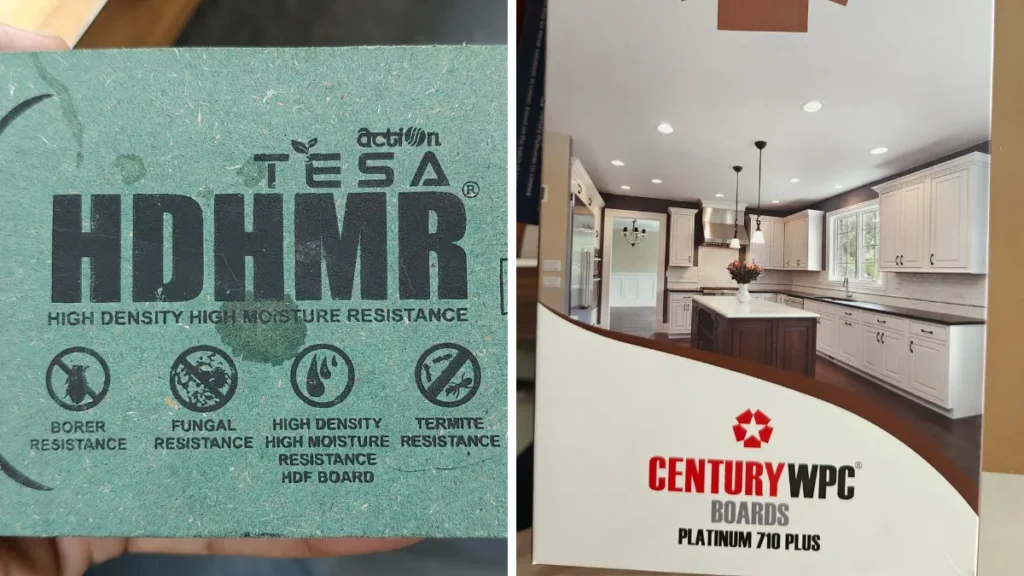
Verdict: HDHMR is budget-friendly for indoor applications. All the branded WPC boards (Century WPC, Alstone) are 70-90% costlier than branded HDHMR Boards (Action Tesa, Century Prowud).
Find the price of Century WPC Starke Boards.
WPC vs HDHMR: Which One Should You Choose?
| Application | Recommended Board | Reason |
| Kitchen Cabinets | HDHMR/ WPC | Strong, smooth, affordable |
| Bathroom Cabinets | WPC | 100% waterproof and termite-proof |
| Outdoor Furniture | WPC | UV and weather-resistant |
| Wardrobes & Shelves | HDHMR | Excellent for laminates and load bearing |
| Balcony Units | WPC | Can handle rain and sunlight |
| Office Furniture | HDHMR | Strong and easy to finish |
WPC vs HDHMR: Pros and Cons Summary
WPC Board
Pros:
- 100% waterproof
- Termite and pest proof
- Long life and low maintenance
Cons: - Slightly expensive
- Limited color and finish options
HDHMR Board
Pros:
- Strong and dense
- Great for laminates and paints
- Affordable for interiors
Cons: - Not fully waterproof
- Needs proper edge sealing in wet areas
FAQ
Can I use WPC for kitchen furniture?
Yes, WPC can be used in kitchens, especially for the sink area or base cabinets exposed to water. However, HDHMR is better for the rest of the kitchen due to its finish and strength.
Is HDHMR waterproof?
No, HDHMR is not fully waterproof but highly moisture-resistant. Proper lamination and edge-banding make it suitable for damp interiors.
Which board lasts longer?
Both have long lifespans when used in the right environment. WPC lasts longer in wet or outdoor conditions, while HDHMR performs better in dry indoor spaces.
Conclusion
Both WPC and HDHMR are excellent plywood alternatives, but they serve different purposes.
If your project involves constant moisture, go with WPC. If you’re looking for outdoor furniture or applications, always go with WPC boards.
If it’s for interiors and you want a sleek, polished finish at a reasonable cost, HDHMR is the right pick. Always check product specifications, density, and manufacturer warranty before purchasing — the right material choice ensures your furniture stays beautiful and durable for years. HDHMR
Most importantly, first decide on your budget. Both the products are good in features but have a huge difference in cost.


Very clear and helpful comparison! The WPC vs HDHMR breakdown makes it easy to understand which material is best for different types of furniture. The quick table and pros–cons section are especially useful for homeowners and interior designers. Great explanation for anyone confused about choosing the right board.